-
 by Christian Amegbor
- September 18, 2026
Ghanaian Music Goes Global, But Can the Industry Keep Up?
-
By
 Criss Jin
- September 25, 2026
- in ENTERTAINMENT
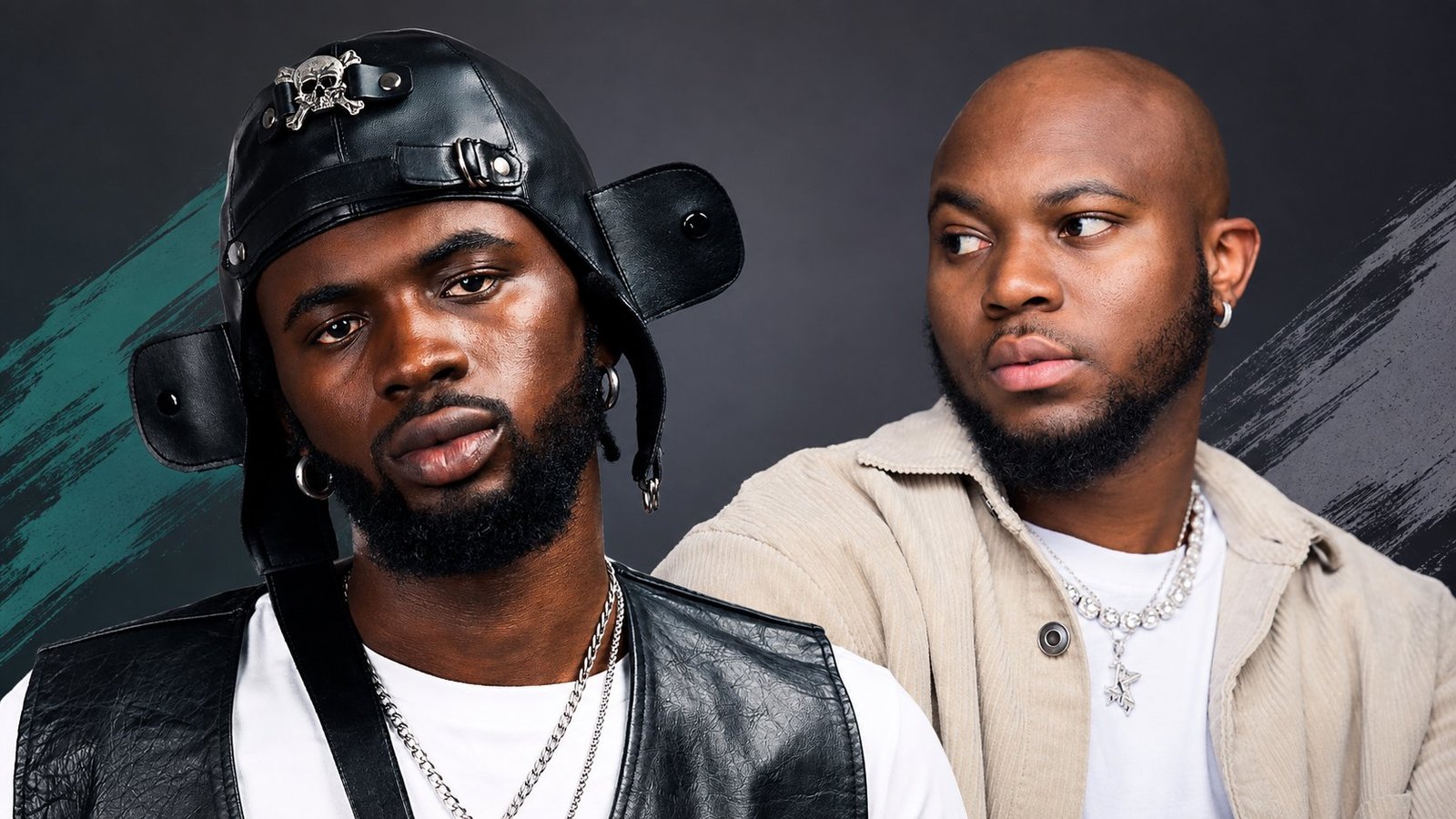
King Promise is also finding ways to extend his influence beyond music. In September, Italian security-door manufacturer Dierre named him the face of a new campaign targeting Ghana and the wider West African market.
The campaign, titled “Secure What Matters,” will use digital, outdoor and influencer platforms, with King Promise appearing in a campaign film.
That kind of partnership shows how an artist's value can go beyond songs and concerts. A musician with a strong identity and audience can become a bridge between brands and a younger generation of consumers.
And that is where the opportunity becomes much bigger.
The real business is bigger than music
For an artist to become truly global, talent alone is not enough.
There are managers to pay, contracts to negotiate, international bookings to secure, music rights to protect and marketing campaigns to finance. There are also publicists, lawyers, distributors, promoters, digital strategists and other professionals working behind the scenes.
The more successful an artist becomes, the more complicated that business becomes.
Ghana has talented musicians. That has never really been the problem.
The bigger challenge is building an ecosystem around that talent.
A hit song can put an artist on an international playlist. A viral video can introduce a Ghanaian sound to millions of people. But what happens afterwards?
Who turns those listeners into long-term fans?
Who helps the artist enter new markets?
Who negotiates the next international partnership?
Who protects the artist's intellectual property?
Those questions matter if Ghana wants its current wave of international attention to become something much bigger.
Social media has changed the game
There is also no denying the role social media has played.
Today, a song from Accra can reach someone in London, New York, Lagos or Johannesburg without passing through a traditional gatekeeper.
Fans themselves have become part of the marketing machine. They share songs, create videos, promote concerts and introduce artists to new audiences.
But the same platforms can also create problems.
Arguments between fan groups can sometimes become louder than the music. Discussions about who is bigger, who has more awards or who deserves more recognition can dominate conversations that could otherwise be used to promote the country's music.
Healthy competition can be good for entertainment. But Ghana's global ambitions will require artistes and fans to recognise that there is room for several stars to succeed at the same time.
Ghana needs more than individual stars
This is perhaps the most important part of Black Sherif's argument.
Ghana does not necessarily need one musician to become the country's permanent global representative.
It needs several.
Black Sherif, King Promise, Stonebwoy, Sarkodie, Wendy Shay, Gyakie, Kweku Smoke and a new generation of emerging artists all contribute different sounds and audiences to the Ghanaian music story.
The stronger those individual careers become, the more attractive Ghana's music ecosystem can become to international investors, brands, promoters and entertainment companies.
There are already signs of movement in that direction. The 2026 Telecel Ghana Music Awards Music Summit, for example, brought together more than 230 artistes, managers, executives, media practitioners, legal professionals and other creative-industry stakeholders to discuss areas including brand partnerships and music contracts.
That kind of conversation matters because the future of Ghanaian music will not be decided only in recording studios.
It will also be decided in boardrooms, management offices, concert venues, streaming platforms and international markets.
The next chapter
Ghanaian music has already proved that it can travel.
The challenge now is making sure the business behind the music can travel with it.
The country has the talent, the culture and the stories. What is needed is stronger collaboration, professional management, investment and long-term thinking.
Black Sherif may be right that no single artist can carry Ghanaian music on their shoulders.
But perhaps that is not the goal.
The goal should be to build an industry where one successful artist opens a door, another walks through it, and the next generation finds that the door is already open.
Ghanaian music has started a global conversation.
Now the industry has to decide how far it wants to take it.
Please Login to comment in the post!
you may also like

-
by Christian Amegbor
- September 19, 2026
R2Bees: From Tema to London, a Sound That Sti...

-
by Christian Amegbor
- September 19, 2026
Dancer Rica Reveals She Nearly Quit Dancing t...
-
by Christian Amegbor
- September 19, 2026
Burna Boy to Headline Halftime Show at NFL’s...
-
by Christian Amegbor
- September 24, 2026