-
 by Christian Amegbor
- September 18, 2026
Cedi Strength, Falling Inflation; But Is Ghana's Recovery Reaching the Market Stall Yet?
-
By
Christian Amegbor
- September 22, 2026
- in News
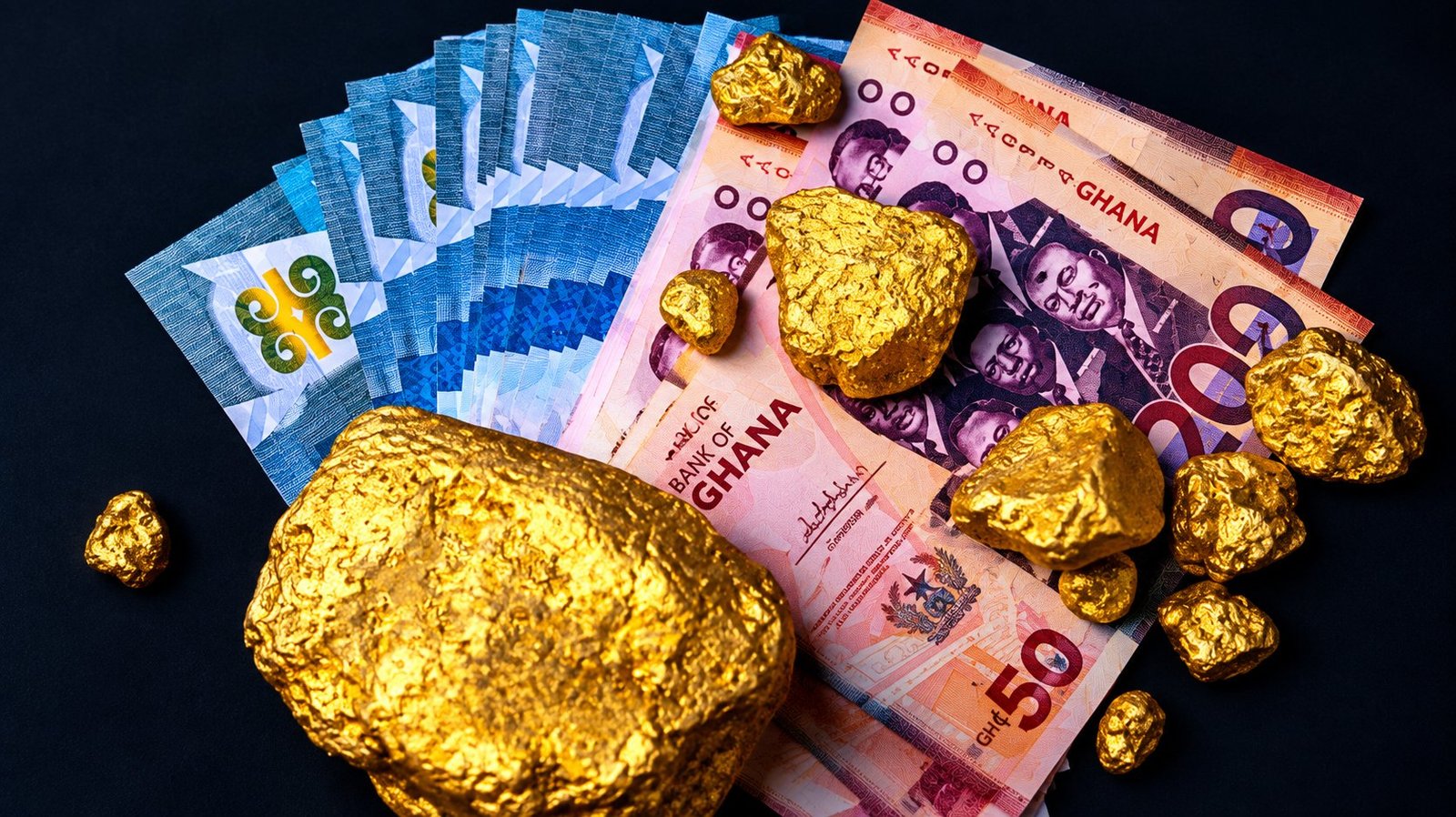
Every few weeks lately, another headline lands, the cedi is up, reserves are climbing, inflation is falling. By any historical measure, the numbers are genuinely remarkable. What's less clear, and what rarely gets asked in the same breath, is whether any of it has actually reached the trader restocking at Kantamanto, or the phone dealer at Circle watching the dollar rate before every order.
Em News set out to answer that by putting Ghana's headline economic recovery next to the costs that traders and small business owners deal with day to day, using the same government and central bank data being cited in Accra and New York alike.
The numbers, and they're not small
Start with the currency itself. According to Ghana's own 2026 mid-year budget review, the cedi appreciated by 40.7 percent against the US dollar, the strongest single-year appreciation recorded in the currency's 60-year history. The IMF separately confirmed the cedi as the best-performing currency in the world in 2025, a genuinely unusual position for a currency that had been among Sub-Saharan Africa's worst performers barely a year earlier.
Inflation moved just as sharply. Headline inflation fell to 3.8 percent in January 2026, its lowest level in nearly three decades, down from north of 20 percent as recently as late 2024. Behind that swing sits a Bank of Ghana that has been quietly rebuilding its reserves; gross international reserves reached $14.4 billion by mid-May 2026, equivalent to roughly 5.7 months of import cover, up from $13.8 billion at the end of 2025. Much of that buffer has come from gold: the central bank's gold holdings rose more than 40 percent in a single year, helped along by GoldBod's formalisation of small-scale mining exports, which has pulled more foreign exchange through official channels rather than the black market.
What a stronger cedi is supposed to do
In theory, this is exactly the chain of events that should eventually show up at the market stall. A stronger cedi means imported goods cost less in local currency terms, fuel, machinery, packaged food, the raw stock that a huge share of Ghana's traders depend on. Lower imported inflation feeds into lower headline inflation, which in turn gives the Bank of Ghana room to ease its policy rate, which should, eventually, make borrowing cheaper for the small businesses that need working capital to restock or expand.
That's the textbook version. What Em News's own reporting on small business costs earlier this year found, speaking directly with traders across Accra and Kasoa, is that the transmission from macro numbers to the shop floor isn't instant, and it isn't even. Rent and electricity, both large components of a small business's monthly outlay, respond to entirely different pressures than the exchange rate. Electricity tariffs actually rose twice in 2026, by a combined 13 percent, under the Public Utilities Regulatory Commission's new Multi-Year Tariff Order, even as the currency was strengthening. A trader can be genuinely helped by cheaper imported stock and squeezed by a rising power bill in the very same month.
The lag traders actually feel
There's a structural reason for that gap. Currency appreciation shows up first in new import orders, a shipment landed after the cedi strengthened costs less than the one sitting on the shelf that was bought before the improvement. That means the full benefit of a 40 percent currency swing reaches a trader's margins gradually, order by order, not all at once the moment the exchange rate moves. For a business restocking weekly, as many small provisions and electronics traders do, that lag can still mean months before pricing on the shelf genuinely reflects the stronger cedi, a gap wide enough that a trader can be reading headlines about record currency gains while still pricing goods bought at last quarter's weaker rate.
Interest rates carry a similar delay. Even as falling inflation gives the central bank room to cut its policy rate, that easing has to work its way through commercial banks before it reaches a small business loan, and Ghana's banks have historically been in no rush to pass rate cuts on to borrowers as quickly as they pass rate hikes on.
Where the recovery is showing up, and where it isn't
The clearest, fastest-moving beneficiaries of the cedi's strength are businesses dealing directly in imported goods with short restocking cycles, electronics dealers, for instance, who can feel a currency shift within a single shipment. Slower to benefit are businesses whose major costs are domestic and administratively set rather than market-driven: rent, which responds to landlords' own cost pressures and local land values more than the exchange rate; and electricity, which is set by regulatory order rather than the forex market and has moved in the opposite direction this year regardless of the cedi's strength.
That split matters, because it means Ghana's genuine macroeconomic recovery and an individual trader's lived experience of costs can, quite legitimately, diverge for a stretch, not because the numbers are fabricated, but because different costs move on different clocks.
What would actually close the gap?
Analysts tracking the cedi's rally have flagged the same caveat repeatedly: the appreciation has been driven substantially by gold and cocoa export windfalls and a temporary pause in external debt servicing, both of which carry their own expiry dates. Whether this recovery reaches the market stall as durable relief rather than a temporary currency swing depends less on the headline number holding and more on two quieter things: whether regulated costs like electricity stabilise once the current tariff order runs its course, and whether commercial lending rates actually follow the policy rate down rather than lagging behind it, as has happened in past easing cycles.
For now, Ghana's recovery is real by every macro measure available. Whether it's reached the shop floor is a different question, and one that depends less on how strong the cedi gets, and more on how quickly costs that don't move with the exchange rate start moving in the same direction.
Please Login to comment in the post!

you may also like


-
by Christian Amegbor
- September 18, 2026
Rev. Francis Lawer Sackitey Launches Memoir o...

-
by Christian Amegbor
- September 19, 2026
Global Evangelicals Church Holds Kasoa Zone D...
-
by Christian Amegbor
- September 19, 2026
GES Warns SHSs Against Turning Away Students...

-
by Christian Amegbor
- September 19, 2026