- by Christian Amegbor
- Feb 09, 2026
Gabon Suspends Social Media Platforms Amid Rising Concerns Over False Information and National Stability
- By Christian Amegbor
- Feb Wed, 2026
- in Entertainment
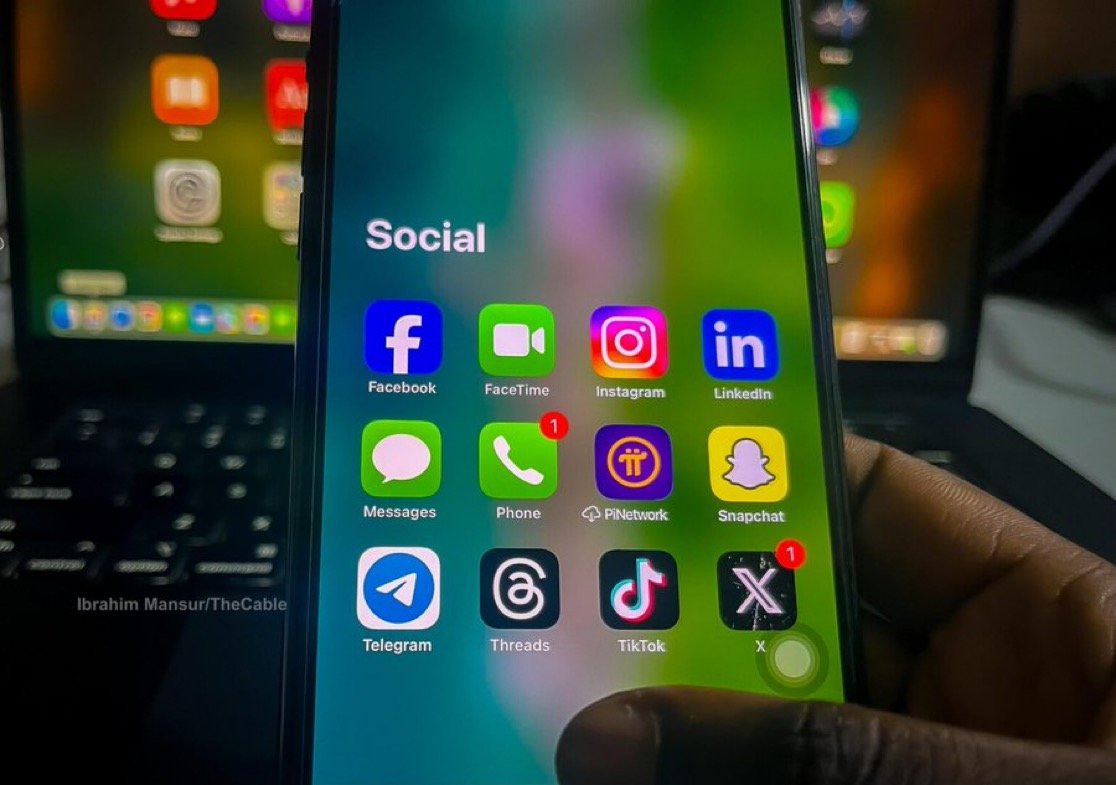
Libreville, Gabon, The government has moved to suspend access to social media platforms across the country in response to what authorities describe as the widespread circulation of false information, harmful content, and online behaviour that “threatens public order and national security.” The suspension was announced on Tuesday by the High Authority for Communication (HAC), Gabon’s media regulator, and will remain in effect “until further notice.”
In a televised address, HAC spokesperson Jean‑Claude Mendome articulated the regulator’s justification for halting social media services, stating that platforms have been used to disseminate defamatory, hateful, and insulting material that undermines human dignity and the stability of state institutions. He also cited concerns about the spread of false information, cyberbullying, and the unauthorized disclosure of personal data. Authorities argued these issues are likely to fuel social divisions, destabilize public institutions, and jeopardize national unity and democratic progress.
While the regulator did not specify by name all the platforms affected, popular services such as WhatsApp, Facebook, and TikTok were reported to be inaccessible for many users shortly after the announcement, according to journalists on the ground.
Government Rationale and Context
Gabon’s authorities maintain that the measure is aimed at curbing content that could incite social conflict or erode public trust in institutions. Officials argue that although freedom of expression is a constitutional right, it “cannot be exercised in flagrant violation of national and international laws.” The HAC has framed the suspension as a legal response to breaches of the national Communications Code designed to protect citizens and public order.
Government officials also criticised international digital platforms for insufficiently moderating illicit content, adding that poor enforcement of platform policies contributes to the proliferation of harmful posts.
Domestic Reactions and Social Impact
The suspension has triggered a range of reactions among Gabonese citizens and civil liberties advocates. Some community leaders and citizens expressed support for steps to reduce harmful online content. In contrast, others raised concerns that the shutdown could infringe on freedom of expression and restrict access to vital communication tools, especially for businesses and young people who rely on social media for work, news, and commerce.
Local entrepreneurs have warned that cutting off access to social platforms could disrupt digital marketing efforts and customer engagement, particularly for small enterprises that rely on social media as a primary channel to reach clients. A restaurant owner in Libreville told international media that the suspension would likely hurt business, as many customers learned about services and promotions through social apps.
Political and Social Backdrop
The decision comes at a politically sensitive time in Gabon. President Brice Oligui Nguema, who came to power after a 2023 military coup and subsequently won a presidential election in 2025, is facing growing public dissatisfaction over economic challenges and labour disputes, including ongoing teacher strikes and other public sector protests. Authorities have faced criticism from opposition figures who argue that limiting access to digital platforms risks creating a climate of fear and repression.
Broader Implications
Experts say that while governments across the region sometimes justify internet restrictions on security grounds, such suspensions can have broader implications for civic dialogue, digital commerce, and the free flow of information in an increasingly connected society. How long Gabon’s social media ban will last, and what criteria might guide its reversal, remains unclear.

Please Login to comment in the post!

you may also like


- by Christian Amegbor
- Feb 10, 2026
Iyanya Warns: "Fame Without Guidance is Dange...
- by Christian Amegbor
- Feb 11, 2026
I Had to Rebuild My Entire Self: Reshona Land...

- by Christian Amegbor
- Feb 13, 2026