-
 by Christian Amegbor
- September 18, 2026
Ghana Raises Cocoa Producer Price to GH¢42,400 for 2026/27 Season
-
By
Christian Amegbor
- September 27, 2026
- in Business
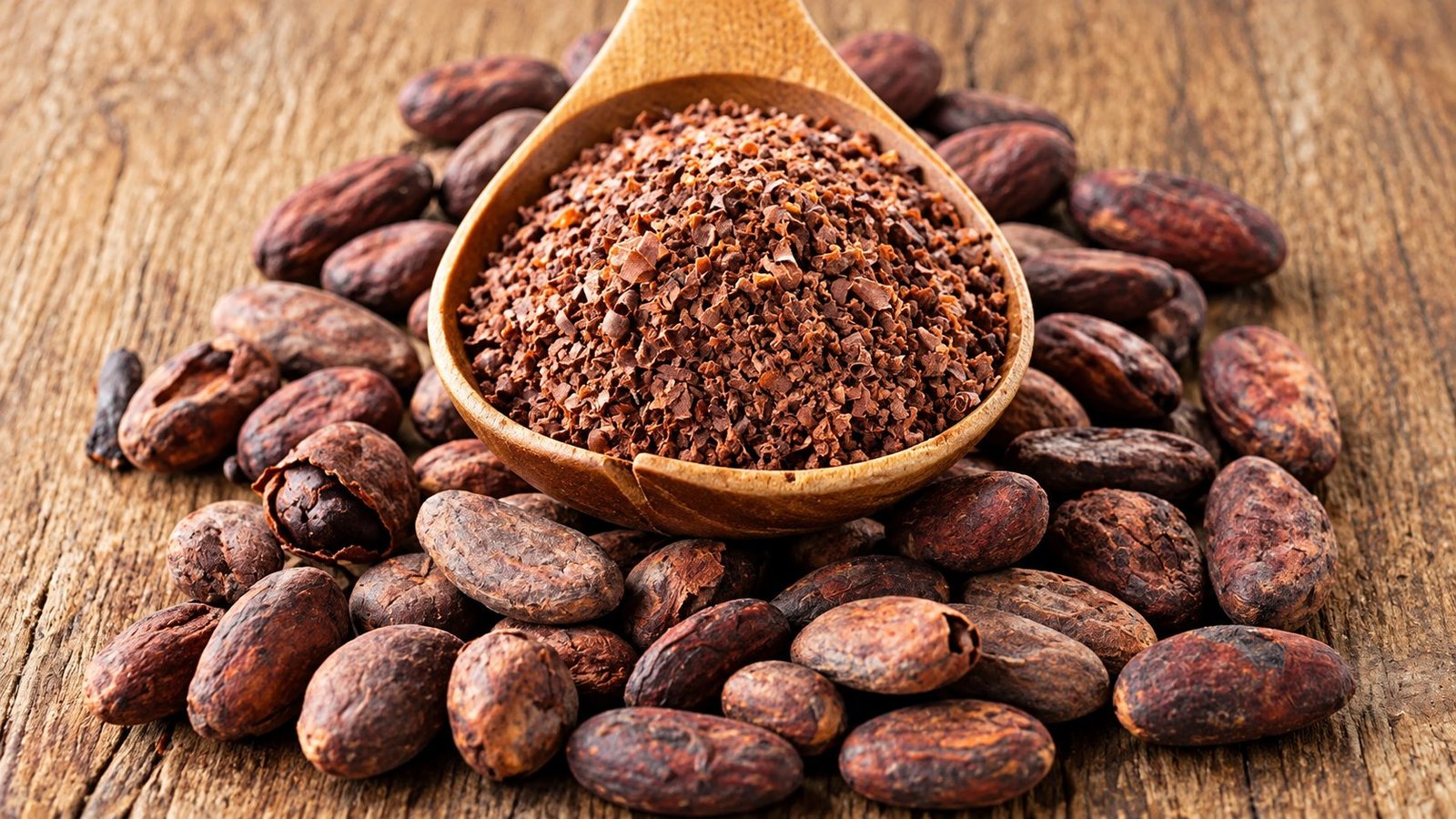
Ghana has increased the producer price of cocoa to GH¢42,400 per tonne for the 2026/27 crop season, giving farmers a higher price at the start of a season that comes with significant changes to how the country's cocoa industry is managed and financed.
The new price took effect on Friday, September 25, as Ghana officially opened the 2026/27 cocoa season. It represents an increase of GH¢1,008 per tonne from the previous rate of GH¢41,392.
For the average 64-kilogramme bag, the new price works out to GH¢2,650, up from GH¢2,587 previously.
The increase is relatively modest, but the change is significant because it comes under a new pricing framework introduced through the Ghana Cocoa Board Act, 2026.
Under the new law, cocoa farmers are guaranteed at least 70 per cent of the realised gross Free-on-Board (FOB) value of cocoa. COCOBOD says the GH¢42,400 producer price represents 71.18 per cent of the realised FOB value for the new season.
What the new price means for farmers
For cocoa farmers, the immediate benefit is straightforward: every bag sold under the new season's pricing structure will bring in more money than it did under the previous rate.
But the increase also needs to be viewed alongside the cost of producing cocoa.
Farmers still have to deal with expenses such as labour, transportation, farm maintenance and pest and disease control. A higher producer price can improve earnings, but the impact on household income will ultimately depend on how much cocoa a farmer produces and how much it costs to produce it.
COCOBOD says it will continue supporting farmers through productivity programmes, including the distribution of free fertiliser, hybrid cocoa seedlings and assistance under the Cocoa Disease and Pest Control Programme. The stated aim is to help farmers reduce production costs while improving yields.
That productivity question will be particularly important for the industry. If farmers can produce more cocoa from their existing farms while keeping costs under control, the higher producer price could have a more meaningful effect on their incomes.
A wider change in Ghana's cocoa industry
The new price is only one part of the reforms taking place in the cocoa sector.
The 2026 Cocoa Board Act introduces changes intended to improve the financial and institutional sustainability of COCOBOD. It also provides a new framework for financing the industry and places greater emphasis on domestic value addition.
That financing issue is already becoming a major part of the new season.
Cocoa Capital PLC, a wholly owned subsidiary of COCOBOD, plans to raise up to GH¢16.3 billion through a Domestic Cocoa Notes Programme. The funds are expected to support cocoa purchases during the 2026/27 season while also helping refinance existing COCOBOD debt.
The move is important because cocoa buying requires significant amounts of working capital. Licensed buying companies need access to funds to purchase beans from farmers, while the wider supply chain depends on timely payments and movement of cocoa from farming communities to processing and export facilities.
Ghana wants more value from its cocoa
Another important part of the new direction is the push to keep more economic value from cocoa within Ghana.
For years, the country has been a major producer of cocoa beans, but much of the higher-value processing associated with cocoa takes place outside the country.
Increasing domestic processing could create opportunities for Ghanaian businesses involved in manufacturing, packaging, transportation and exports.
It could also create more jobs around products such as cocoa powder, cocoa butter, cocoa liquor and chocolate rather than relying heavily on the export of raw beans.
COCOBOD has said the reforms are intended to support increased domestic value addition and place the industry on a more financially sustainable footing.
The challenge beyond the price announcement
The new GH¢42,400 price will be welcomed by farmers, but the real test will come during the season.
Ghana's cocoa industry is facing several pressures at the same time, including production costs, farm productivity, financing and the need to protect cocoa-growing areas.
COCOBOD is also preparing for the European Union's Deforestation Regulation, which is expected to apply to cocoa exports from December 30, 2026. The organisation says Ghana's cocoa traceability system has been deployed across cocoa-growing areas to help verify the origin and production conditions of cocoa destined for the European market.
That means farmers and businesses will increasingly have to meet not only production requirements but also stricter expectations around traceability and sustainability.
For Ghana, therefore, the new producer price is more than a figure announced at the opening of another cocoa season.
It is part of a broader attempt to make the cocoa business more sustainable for farmers, strengthen the finances behind the industry and create more value within the country.
Farmers will now look to the 2026/27 season to see whether those reforms translate into better incomes and a more reliable cocoa business.
The GH¢42,400 price is the starting point. What matters next is how effectively the new system works on the ground.
Please Login to comment in the post!

you may also like

-
by Christian Amegbor
- September 19, 2026
Government Launches First Phase of Major Toma...

-
by Christian Amegbor
- September 19, 2026
Secured Credit Hits GH¢31.5bn in Q2 2026 as L...

-
by Christian Amegbor
- September 19, 2026
MTN Ghana Steps Up Push to Take Digital Payme...
-
by Christian Amegbor
- September 20, 2026